.epub — Electronic Publication
The open ebook format used by many readers, stores, and publishing workflows.
About this format
EPUB packages HTML, CSS, images, metadata, and navigation into a zip-based ebook. It is designed for reflowable reading, though fixed-layout EPUB also exists.
Use EPUB for ebooks that should adapt to screen size. Use PDF when page fidelity matters more than reading comfort.
Real-world samples & file sizes
Four real EPUB3 files downloaded from Project Gutenberg. Each card previews the embedded cover extracted from the same .epub package, so the visual and downloadable file stay tied together.
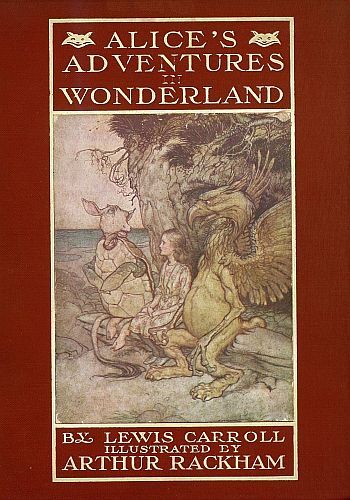
Alice's Adventures EPUB
An illustrated EPUB3 file with its embedded cover extracted for preview.
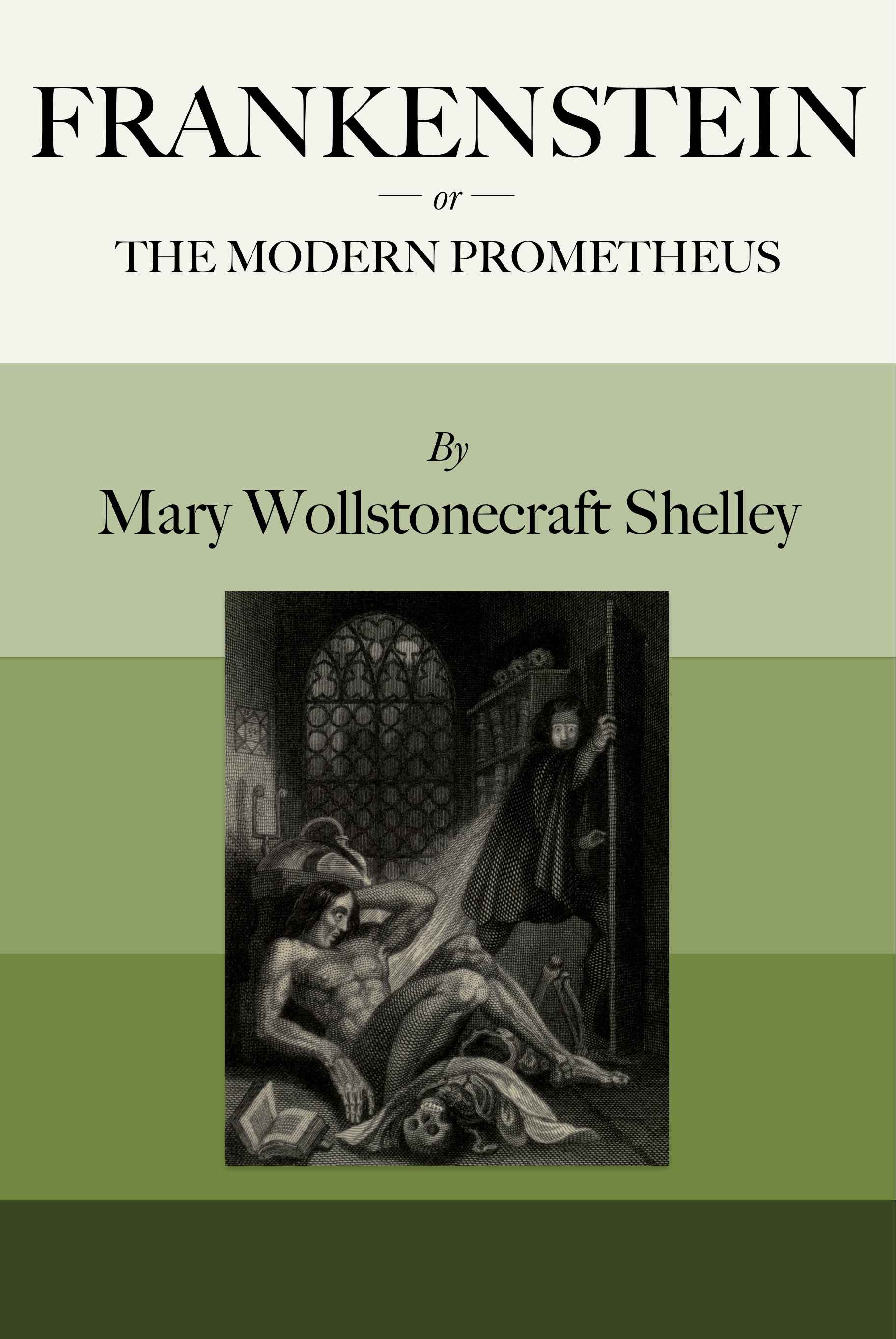
Frankenstein EPUB
A compact reflowable EPUB3 novel with a high-resolution cover image inside the package.
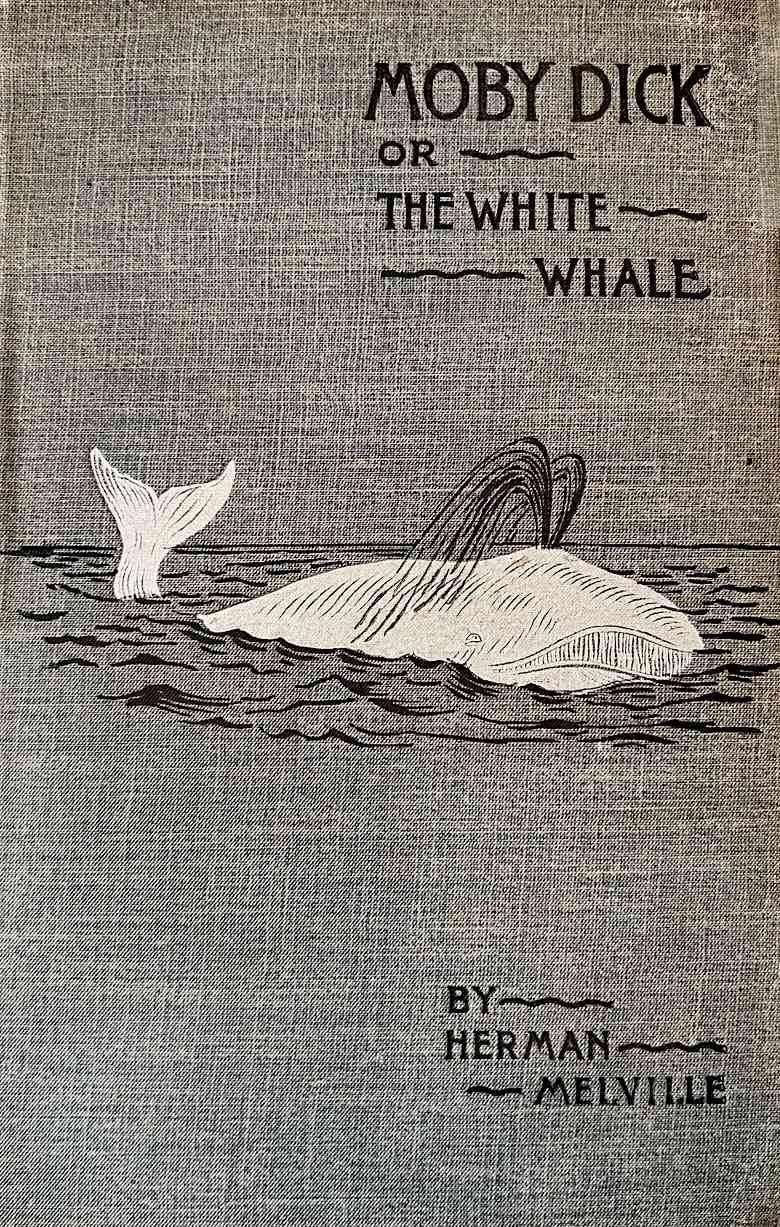
Moby-Dick EPUB
A long text-heavy EPUB3 file useful for navigation, metadata, and reflow testing.
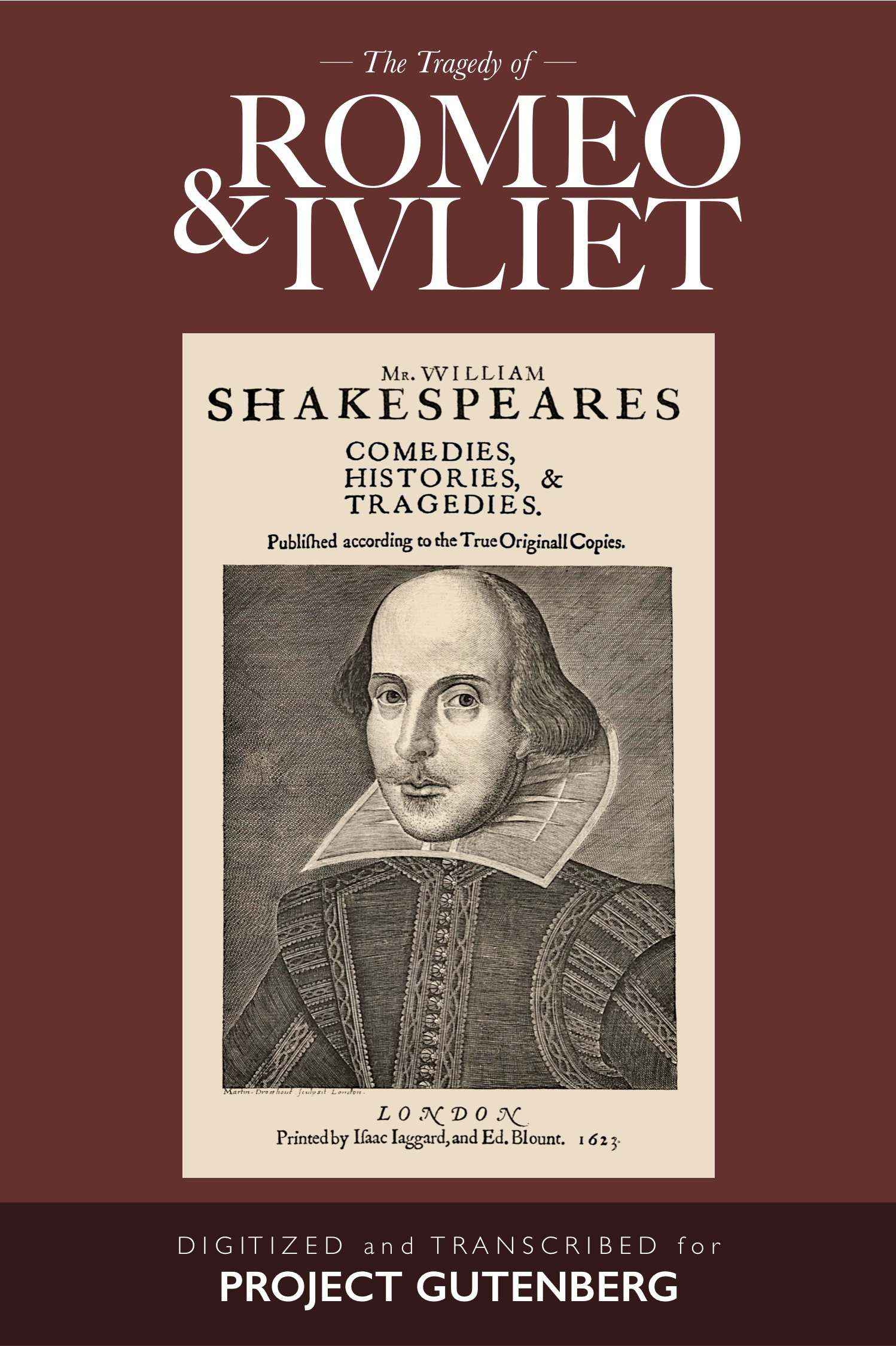
Romeo and Juliet EPUB
A smaller EPUB3 play sample with an embedded portrait cover.
Pros
- +Reflows across screen sizes
- +Open publishing standard
- +Good metadata and navigation support
Cons
- −Layout can vary by reader
- −DRM and store requirements differ
- −Complex books need testing on real devices
EPUB vs other formats
| vs | Size | Quality | Note |
|---|---|---|---|
| Usually smaller | Reflowable rather than fixed | EPUB is better for reading; PDF is better for exact pages. | |
| MOBI | Varies | Modern EPUB is more open | MOBI is older and Kindle-specific historically. |
Where it works
- iOS Books
- Android readers
- desktop reader apps
- Browsers need an EPUB reader app or JavaScript reader
- Apple Books
- Kobo
- Calibre
- Thorium Reader
- Google Play Books
Frequently asked questions
- Is EPUB better than PDF for books?
- For reading on phones and ereaders, usually yes. EPUB reflows text; PDF preserves fixed pages.
- Can browsers open EPUB directly?
- Not as a native media type in normal browsing. Use an EPUB reader or web app.
Sources
- W3C EPUB 3.3 - current EPUB core specification