.ogg — Ogg Container
An open media container often used with Vorbis, Opus, Theora, and other Xiph codecs.
About this format
Ogg is a container. Audio files with .ogg often contain Vorbis or Opus, but the extension alone does not fully describe the codec.
Use Ogg for open media workflows. Use Opus inside Ogg for modern speech and music compression.
Real-world samples & file sizes
Four real .ogg files using Vorbis audio, each paired with a spectrogram cover generated from the actual sample. The set covers music, historical audio, and short speech.
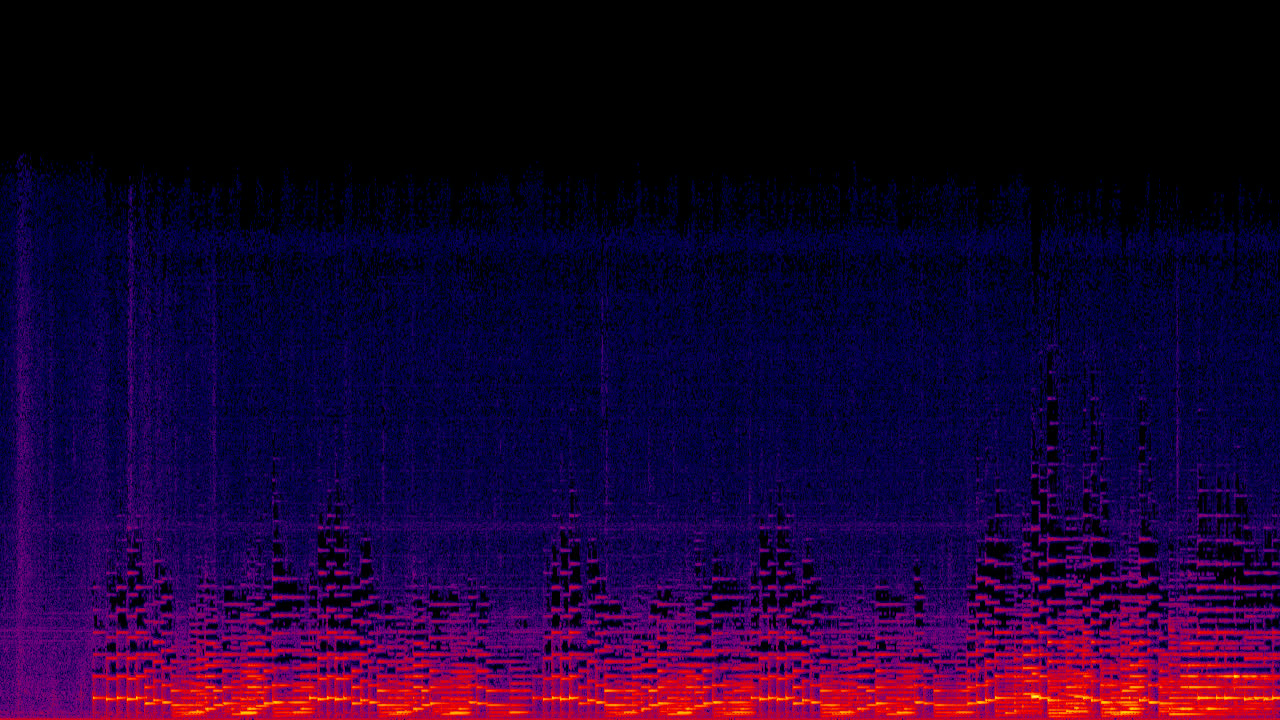
Fur Elise OGG
A piano recording trimmed into a compact Ogg Vorbis stereo sample.
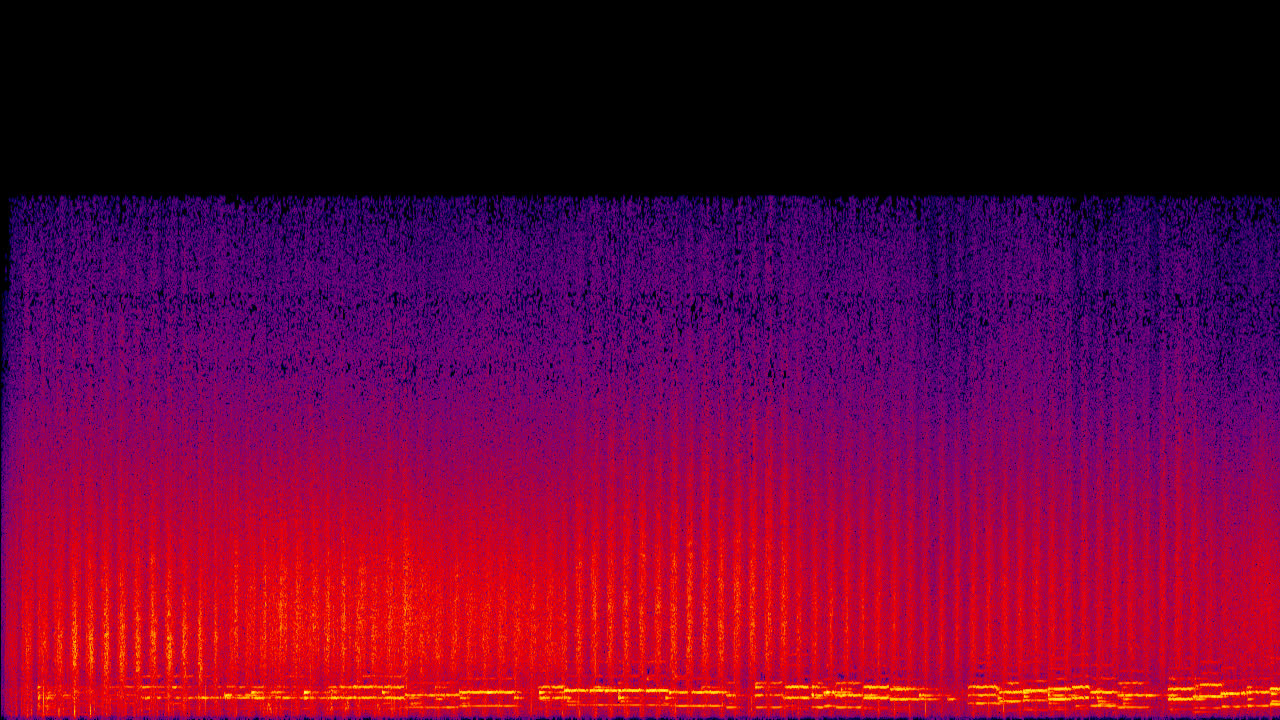
Edison Cylinder OGG
A historical cylinder transfer prepared as a mono Ogg Vorbis sample.
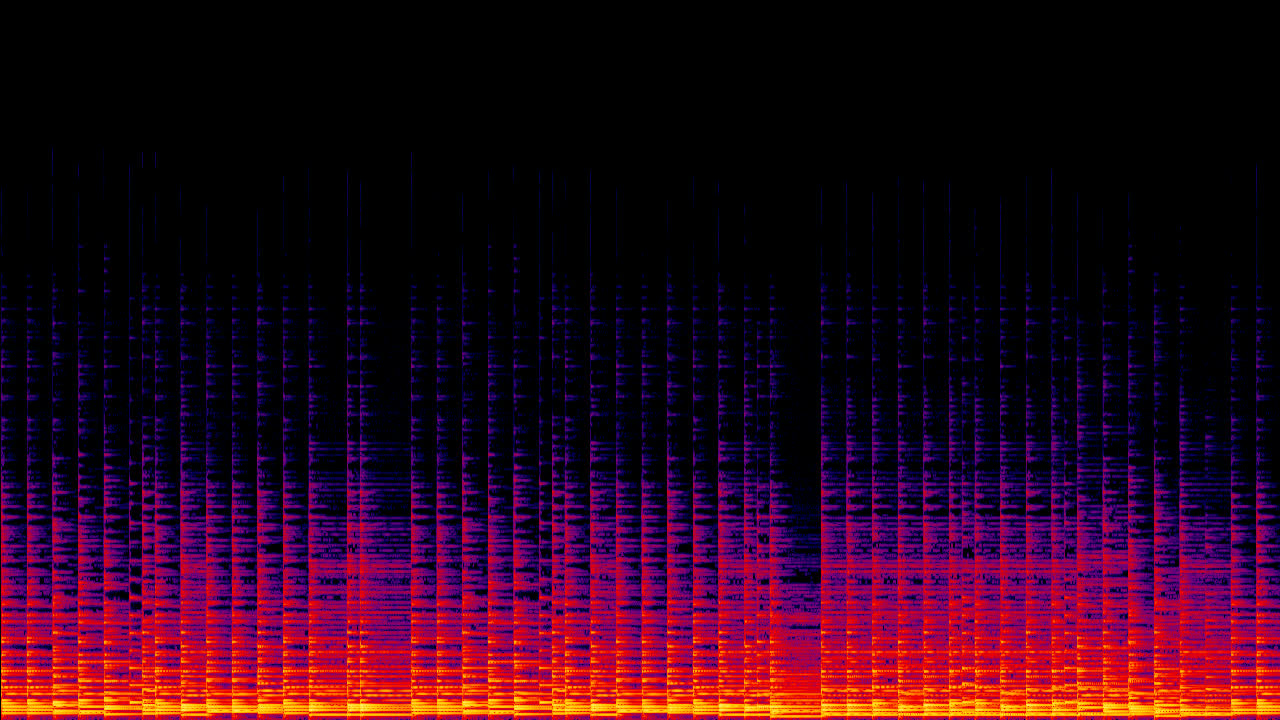
Ode to Joy OGG
A small Ogg Vorbis music sample from a public-domain MIDI source.
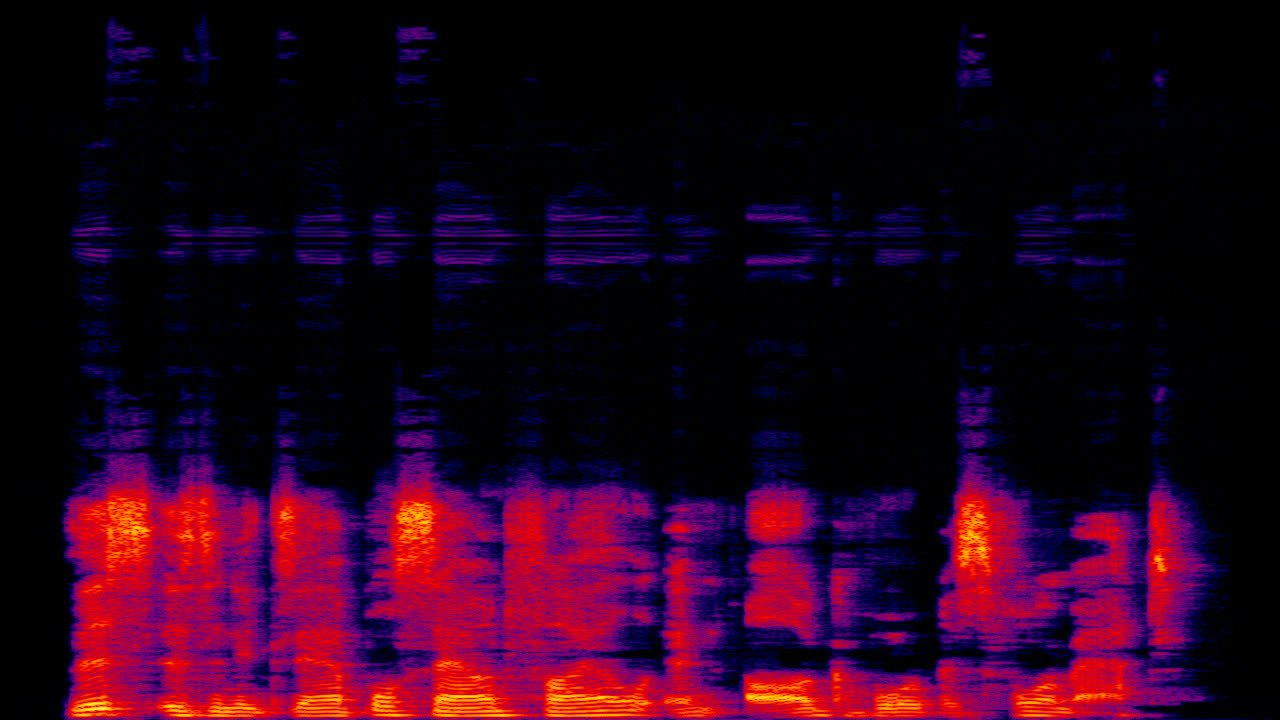
Speech Example OGG
A short spoken Ogg Vorbis file kept at its original length for parser checks.
Pros
- +Open container
- +Good match for Vorbis and Opus
- +Supported by many browsers and audio tools
Cons
- −Less common in consumer apps than MP3/AAC
- −Extension can hide the actual codec
- −Apple ecosystem support has historically lagged
OGG vs other formats
| vs | Size | Quality | Note |
|---|---|---|---|
| Opus | Container vs codec | Opus is usually better codec choice | Ogg often carries Opus audio. |
| M4A | Varies | Depends on codec | M4A is more common in Apple workflows. |
Where it works
- Windows via modern apps
- macOS via compatible players
- Linux strong support
- Chrome
- Firefox
- Edge
- Safari support depends on codec and version
- VLC
- Audacity
- Firefox
- FFmpeg
Related tools
Frequently asked questions
- Is OGG a codec?
- No. Ogg is a container. Vorbis or Opus are common codecs inside it.
- Should I use OGG for podcasts?
- Opus in Ogg can work well, but MP3/AAC may be more compatible with podcast platforms.
Sources
- Xiph.Org Ogg documentation - official Ogg framing and documentation
- MDN audio and video media types - web media container and codec support